Paid Impressions vs. Organic Views:
Why Earned Attention Delivers More Value
Author: Rachel L.
TL;DR
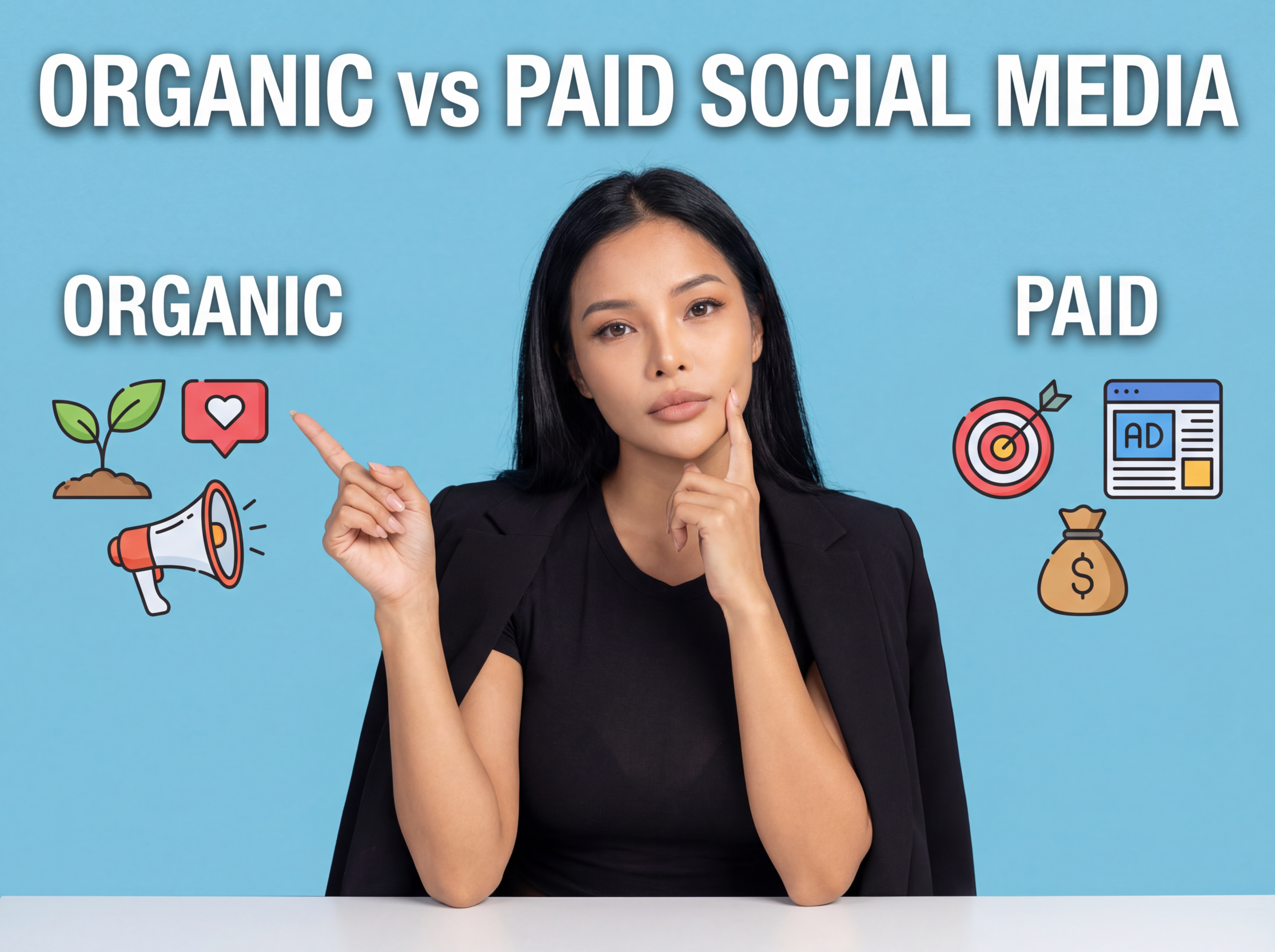
Paid ad impressions on platforms like Instagram are billed the moment an ad is delivered, even if users barely notice it. This often means paying for fleeting exposure that fails to drive real attention or engagement. By contrast, organic views are earned through content audiences choose to watch or interact with, making them far more valuable in building genuine attention, trust, and brand impact. In short, paid reach is rented and easily ignored, while organic reach is won and more likely to stick.
Why Paid Impressions Often Underperform
Paid impressions are charged at delivery, not on genuine attention. In Instagram’s advertising model (part of Meta’s platform), an “impression” simply means your ad was displayed on someone’s screen, it counts regardless of whether the person actually saw or engaged with it. Advertisers typically pay per thousand impressions (CPM), meaning you get billed for each appearance of your ad, even if the user scrolls past immediately without interacting. In other words, the platform charges you at the moment of delivery, not based on any real engagement or time spent. This creates a fundamental problem: many paid impressions don’t translate into meaningful viewer attention.
Viewability standards reveal how little is actually seen. The digital ad industry’s viewability standard (set by the Media Rating Council) is surprisingly low: an ad is considered “viewable” if at least 50% of it is on-screen for 1 continuous second (for video ads, 2 seconds). Yet studies of Instagram feed ads show that only about 37% of delivered ad impressions meet even this low bar, meaning roughly 63% of impressions were essentially non-viewable2. For video ads it’s even worse, one audit found 89% of Instagram video ad impressions failed to remain in view for 2 seconds, the minimum for a viewable video impression. The average time an Instagram ad is fully on-screen was under one second in that analysis2. These numbers confirm that the majority of paid ad impressions are glances at best, or never really seen at all, despite advertisers being charged for them.
Users scroll past paid posts with almost no engagement. People have learned to identify sponsored content and often ignore it. In fact, consumers tend to scroll past ads so quickly that they “rarely spend more than 1 continuous second” on any given ad in their feed. Instagram and Facebook know this, it’s why they’ve enlarged ad formats to try to grab attention, but the reality is that feed ads still suffer from extremely short attention spans. Any engagement that does occur on paid placements is usually shallow (a quick like or swipe, if anything) because users haven’t sought out this content. There’s also no inherent trust or interest, the viewer knows it’s an ad, and is likely to give it only cursory attention before moving on.
In summary, paid impressions underperform because:
- They’re counted whether or not a user actually saw the content. An impression registers the moment an ad loads, even if it was off-screen or instantly scrolled past. You pay for exposure, not effect, which often means paying for nothing more than a pixel-thin appearance.
- Viewability is low in the feed environment. With users scrolling rapidly, a huge portion of impressions never meet basic viewability. For example, only 5% of Instagram ad impressions in one study were fully visible for at least 1 second. Many ads flash by in a fraction of a second, far too little time to leave any impact.
- “Rented” attention is easily ignored. Because ads are inserted into feeds rather than chosen by the viewer, people treat them like background noise. There’s a phenomenon of banner blindness on social media, where users reflexively gloss over anything that looks like an ad. The result is very low genuine engagement rates on paid impressions, often just a tiny fraction of a percent clicking or interacting.
- Metrics can mislead. High impression counts may look good on a report, but they often fail to translate into meaningful results. Impressions alone tell us nothing about whether viewers cared or acted. In fact, if those impressions weren’t viewable or were ignored, the real impact is close to zero, despite the cost incurred.
Organic Views Earn Attention and Trust
If paid reach is about “deliver and hope for the best,” organic reach is about earning genuine interest. An organic view or impression occurs when content appears naturally in someone’s feed or search because they follow the account, their friends engaged with it, or it’s popular/relevant content. These viewers are voluntarily choosing to watch or read your content, which makes a world of difference in outcomes.
Organic content commands more attention. When someone stops to watch an organic post, whether it’s an Instagram Reel, a story, or a LinkedIn article, they do so by choice. This typically means they spend more time on it than they ever would on a random ad. There’s no fixed industry metric for organic view duration across the board, but consider the contrast with paid: an Instagram ad might only hold someone’s gaze for a second or two on average, whereas a compelling organic video or post can engage a user for the entire duration (15 seconds, 30 seconds, or more). Because organic content isn’t forced on the audience, those who engage are actually interested, yielding far higher quality attention minutes than the fleeting seconds of a paid impression.
Trust and authenticity are much higher with organic views. People are inherently more inclined to trust content that doesn’t look like an ad. Organic social posts, especially those coming from friends, influencers, or brands they follow, feel more authentic and conversational. This trust factor is huge: a Sprout Social study noted that consumers tend to favor user-generated posts and organic content because it feels “less intrusive,” making them more likely to engage and even buy. In one survey, 79% of people said they preferred authentic user content (like customer posts or recommendations) when researching purchases, versus only 13% who favor traditional brand content. And broadly, word-of-mouth and recommendations outrank paid ads by a mile in credibility, a global Nielsen study found 88% of consumers trust recommendations from people they know more than any form of advertising. That kind of trust and rapport simply cannot be bought with ads; it has to be earned with organic presence and genuine interaction.
Organic views drive deeper engagement and retention. Because organic content typically resonates more with the audience, it tends to spark more meaningful interactions, comments, shares, discussions, the kinds of engagement that strengthen a brand’s relationship with its audience. Over time, consistently strong organic content builds a loyal community. By providing value and interacting through non-paid posts, a brand can “build authentic relationships” and foster a loyal fanbase that sticks around and even promotes the brand to others. This loyalty translates to higher customer retention and long-term engagement. Someone who discovered you organically and liked what they saw is more likely to remember your brand, follow your updates, and think of you when the need arises. In marketing terms, organic socials build brand recall and memorability by keeping your name in a person’s feed in a positive, voluntary context. In contrast, paid ads vanish once the budget stops, and any thin awareness they generated fades quickly if not reinforced.
Why organic views are more valuable:
- Genuine attention: You’re getting viewers who want to watch or read your content, so they pay closer attention. For example, a follower might watch an entire video or spend time reading a caption, engagement metrics like watch time and read-through are usually higher for organic posts than for ads thrown at a cold audience.
- Higher trust = higher impact: Content that comes off as authentic (not overt advertising) inherently carries more trust. As noted, people trust non-ad content significantly more than paid ads. With trust comes openness. Audiences are more receptive to the message, which can lead to greater influence on brand perception and decision-making.
- Interaction and feedback: Organic social invites two-way interaction, comments, direct messages, shares, which not only boosts visibility (the algorithm favors content that people engage with) but also provides valuable feedback. This dialogue is something ads struggle to achieve. When users engage organically, they’re actively involved with the brand, which strengthens their connection and recall.
- Retention and community building: Every organic view is a chance to deepen a relationship. Over time, this earns you repeat viewers and loyal followers. Those followers might turn into customers and advocates who voluntarily spread the word. In essence, organic growth compounds, one great post can win you several new followers, who then see future posts at no additional cost. Paid campaigns, by contrast, often have to keep paying to re-engage the same people. Organic audience retention means your content continues to get seen by people who already showed interest, increasing marketing efficiency in the long run.
How Paid Ads Can Complement an Organic-First Strategy
Paid media isn’t “bad”, but using it wisely is key. The takeaway is that paid impressions alone are insufficient for building true brand attention, but they can still play a role as a force multiplier for your successful content. The ideal approach is to let organic success lead, and use paid to amplify that success. Here’s how brands can fit paid ads into a broader, organic-first strategy:
- Boost content that’s proven itself organically. Rather than paying to push untested messages out to strangers, start by using your organic content as a testing ground. See what posts, videos, or stories naturally get strong engagement from your current audience, these are indicators of content that resonates6. Once you identify a high-performing post (say a video that got exceptional likes, comments, or watch time), put ad dollars behind it to boost its reach beyond your followers. You’re essentially taking a piece of content that’s already a hit and showing it to more people. This way, you allocate your ad spend more efficiently by backing a “proven winner,” instead of guessing6. Facebook/Instagram’s Boost button exists for this reason: it allows you to take an organic post and pay to show it to a wider, targeted audience. Because the content has an authentic feel (it succeeded organically, after all), it often maintains its relatability even as an ad, leading to better results than a typical polished ad. Many experts consider boosting top organic posts as a best practice, it preserves the content’s organic appeal while leveraging paid distribution.
- Retarget engaged audiences for better conversion. Another smart use of paid is retargeting. This means using paid ads to reach people who have already interacted with your brand; for example, people who watched your organic videos, engaged with your posts, or visited your website. These individuals are not cold prospects; they’re warm leads who have shown interest. By retargeting them with ads, you stay top-of-mind and guide them further down the funnel. For instance, if someone viewed your organic content but hasn’t yet become a customer, a well-timed ad with a relevant offer or reminder can encourage them to take the next step. This approach acknowledges that not everyone converts on the first organic touch, sometimes a gentle paid nudge to those who know you can close the deal. Importantly, these retargeting ads tend to perform well because they’re reaching an audience that already trusts or at least recognizes you. Digital strategists note that retargeting engaged users via paid ads keeps your brand in front of interested people and can significantly lift conversion rates, all while using smaller, more focused budgets than broad cold advertising.
- Use paid to scale, not to substitute organic. In sum, think of paid social as an amplifier and accelerator. It can spread your message faster and to more people, but the message itself needs to be strong (that’s what organic cultivation ensures). If you have an organic post that’s doing well in driving engagement or a piece of content that really encapsulates your brand’s value, deploying paid ads can inject it into the feeds of thousands more users who fit your target profile. Paid also offers advanced targeting, you can specify the demographics, interests, or behaviors of the audience you want to reach, which means that when you amplify a successful organic post, you can direct it to exactly the kind of new eyes you want. The key is synergy: your organic content fuels the creative and messaging for your paid campaigns, and your paid campaigns in turn amplify your organic impact. By aligning the two, you create a cohesive presence where new people encounter your paid promotion and find a rich organic profile behind it, reinforcing credibility. This one-two punch is far more effective than relying on paid alone or organic alone. As one marketing expert put it, “Paid buys attention; organic earns trust. One gets you in front of people, the other makes sure they believe you once they see you.” Balancing both is how you turn brief impressions into lasting brand relationships.
Conclusion: The 88Media Approach, Organic First, with Smart Paid Amplification
In today’s crowded social media landscape, capturing real attention requires authenticity and strategic thinking. Paid impressions can generate reach quickly, but reach without attention is meaningless, and often expensive. The evidence is clear that organic views, born from quality content and genuine audience interest, carry significantly more weight in building a brand’s audience and authority. The most successful brands leverage this by making organic engagement the foundation of their strategy, and then using paid media as a supporting tool to scale up what’s working.
88Media is an organic-first, full-service social media agency built on this philosophy. We specialize in helping brands create compelling organic content that earns attention and trust, then we skillfully amplify that impact with targeted advertising when it counts. Rather than blowing your budget on impressions that may fall flat, we focus on growing your authentic social presence and community, and only then do we boost that success through paid campaigns like post boosts and retargeting ads to maximize ROI. The result? You get the best of both worlds: real audience connection plus the reach of paid media when you need it. If you’re looking to elevate your social media strategy with a smarter approach that puts genuine engagement first, 88Media can make it happen.
Sources
- Eology Wiki, “What are Ad Impressions?” (definition of ad impressions and CPM billing)eology.neteology.net
- Metric DS study, “What is the true viewability of Facebook & Instagram ads?” (Instagram ad viewability statistics and user behavior)metric-ds.commetric-ds.com
- Sprout Social, “Organic vs. Paid Social Media: A Hybrid Strategy That Works” (benefits of organic content for trust and engagement, consumer content preferences)sproutsocial.comsproutsocial.com
- Nielsen 2021 Trust in Advertising Survey (global consumer trust rates for recommendations vs. ads)nielsen.com
- Sprinklr, “Organic vs. Paid Social Media: Choose the Right Channel” (organic social builds loyalty and authentic fanbase)sprinklr.com
- Cloud Campaign, “Social Media Video Ads vs. Boosting Organic Content” (strategy of testing content organically and boosting top performers)cloudcampaign.comcloudcampaign.com
- PBJ Marketing, “Combining Organic and Paid Social Strategies for Maximum Impact” (recommendations to boost high-performing posts and retarget engaged users)pbjmarketing.compbjmarketing.com